Human Rights: The National and International Scenario
Total Views |


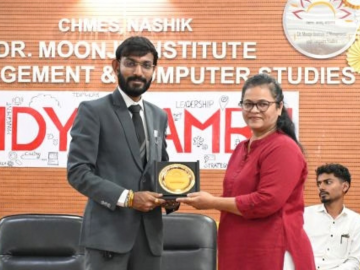
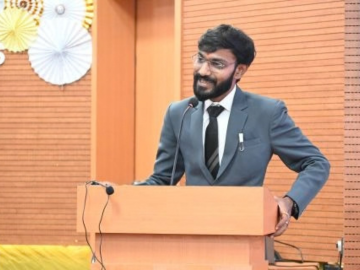
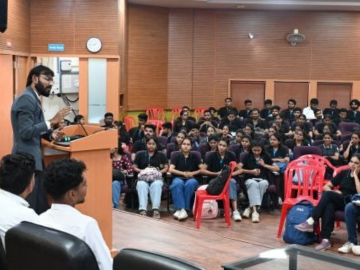
A meaningful and highly engaging Workshop on “The Human Rights :The National and International Scenario” was conducted at Dr. Moonje Institute of Management and Computer Studies (DMIMCS) by Adv. Nishant Bardiya.
The session took students beyond the textbook understanding of human rights and helped them explore the constitutional, legal and international dimensions of rights and responsibilities.
The discussion covered:
🔹 Basic Human Rights & Human Values
🔹 Rights of an Individual and Group Rights
🔹 Duties and Responsibilities of an Individual
🔹 Constitutional Principles Governing Human Rights
🔹 International Treaties and Covenants
🔹 Fundamental Rights and their constitutional protection
🔹 Writ Jurisdiction and the role of the High Courts and the Supreme Court
🔹 The judicial framework for protection and enforcement of rights
What made the session particularly interesting was the use of landmark judicial decisions to connect legal principles with real-life situations.
Students engaged with discussions around cases such as Unni Krishnan, the Kasab case, M.C. Mehta and Kesavananda Bharati, understanding how constitutional principles and judicial interpretation have shaped the protection of rights in India. The Supreme Court's own materials, for example, recognise the relationship between fundamental rights and human rights and describe the significance of Kesavananda Bharati in constitutional jurisprudence.
The discussion on Ram Jethmalani's early legal journey and the question of the age requirement for entering legal practice also gave students an opportunity to think critically about the relationship between law, individual rights and access to the legal profession.
Human rights are not merely legal provisions—they are rooted in human dignity, equality, liberty and values.
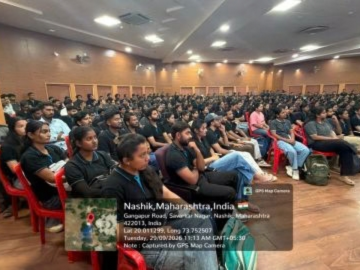
The session was extremely engaging, interactive and thought-provoking, with students actively participating in discussions and connecting constitutional concepts with practical situations.
At DMIMCS, we believe that education must develop not only competent professionals but also aware, empathetic and responsible citizens who understand their rights as well as their duties towards society.
A session that reminded us that knowing our rights is important—but understanding our responsibilities is equally essential.
#HumanRights #HumanRightsEducation #ConstitutionOfIndia #FundamentalRights #HumanValues #ConstitutionalLaw #LegalEducation #IndianJudiciary #SupremeCourtOfIndia #HighCourt #WritJurisdiction #ResponsibleCitizenship #StudentDevelopment
The session took students beyond the textbook understanding of human rights and helped them explore the constitutional, legal and international dimensions of rights and responsibilities.
The discussion covered:
🔹 Basic Human Rights & Human Values
🔹 Rights of an Individual and Group Rights
🔹 Duties and Responsibilities of an Individual
🔹 Constitutional Principles Governing Human Rights
🔹 International Treaties and Covenants
🔹 Fundamental Rights and their constitutional protection
🔹 Writ Jurisdiction and the role of the High Courts and the Supreme Court
🔹 The judicial framework for protection and enforcement of rights
What made the session particularly interesting was the use of landmark judicial decisions to connect legal principles with real-life situations.
Students engaged with discussions around cases such as Unni Krishnan, the Kasab case, M.C. Mehta and Kesavananda Bharati, understanding how constitutional principles and judicial interpretation have shaped the protection of rights in India. The Supreme Court's own materials, for example, recognise the relationship between fundamental rights and human rights and describe the significance of Kesavananda Bharati in constitutional jurisprudence.
The discussion on Ram Jethmalani's early legal journey and the question of the age requirement for entering legal practice also gave students an opportunity to think critically about the relationship between law, individual rights and access to the legal profession.
Human rights are not merely legal provisions—they are rooted in human dignity, equality, liberty and values.
The session was extremely engaging, interactive and thought-provoking, with students actively participating in discussions and connecting constitutional concepts with practical situations.
At DMIMCS, we believe that education must develop not only competent professionals but also aware, empathetic and responsible citizens who understand their rights as well as their duties towards society.
A session that reminded us that knowing our rights is important—but understanding our responsibilities is equally essential.
#HumanRights #HumanRightsEducation #ConstitutionOfIndia #FundamentalRights #HumanValues #ConstitutionalLaw #LegalEducation #IndianJudiciary #SupremeCourtOfIndia #HighCourt #WritJurisdiction #ResponsibleCitizenship #StudentDevelopment